Paul Catania | March 3, 2026 | Car Accidents
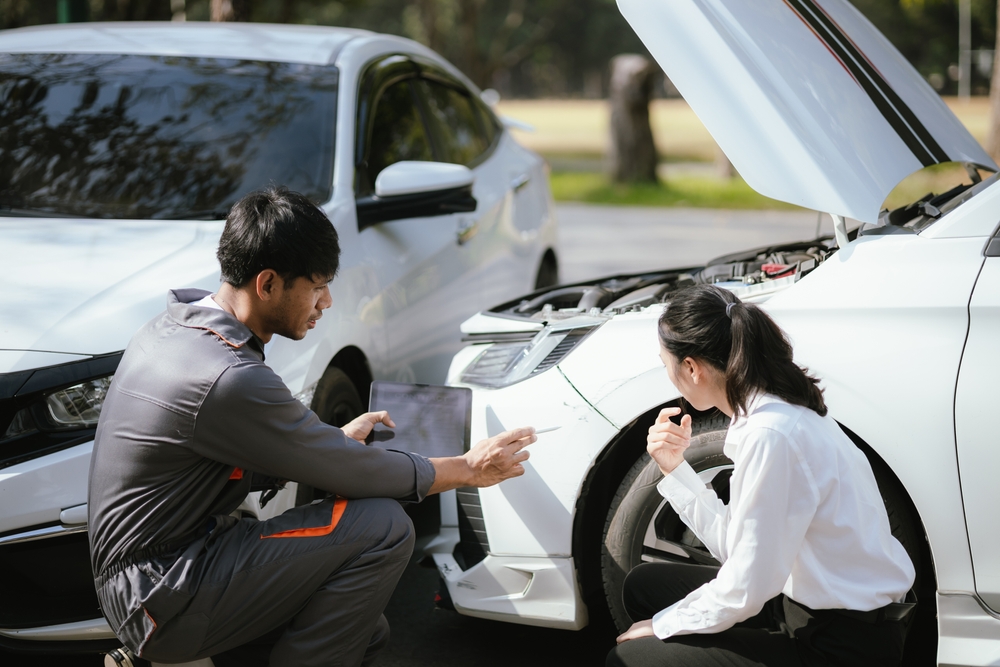
What happens if you crash a leased car? This is a concern many Tampa drivers face after an unexpected collision, particularly when the vehicle is not legally owned by the driver. A lease can introduce additional obligations, strict contractual terms, and financial considerations that are not always clear in the aftermath of an accident.
In our car accident practice, we regularly see how these situations create uncertainty, and at Catania and Catania, we understand the stress drivers experience as they balance injuries, vehicle damage, and insurance questions.
Contact our Personal Injury Attorneys in Tampa, FL
 call us (813) 547-6434
What To Do After An Accident In A Leased Car?
After a car accident in Tampa, your actions in the first hours and days matter. Florida law and most lease agreements impose specific duties that must be followed carefully.
- Make sure everyone is safe and call emergency services if there are injuries or significant damage
- Exchange information with all drivers involved, including insurance and vehicle details
- Take photos of the vehicles, the crash scene, traffic signals, and any visible injuries
- Report the accident to law enforcement as required under Florida law, including compliance with Florida Statutes § 316.062, outlining the legal duties drivers must follow after a crash
- Notify your auto insurance carrier promptly and follow all claim instructions
- Review your lease agreement to confirm notice requirements and repair conditions
These steps protect your legal position and help prevent unnecessary disputes with insurers or the leasing company. Acting carefully at this early stage can also reduce delays in vehicle repairs, preserve important evidence, and strengthen any injury claim that may follow, particularly when multiple parties and insurance policies are involved.
How Can an Accident Affect Your Car Lease?
A collision can impact your lease in several ways, depending on the severity of the damage and the terms of your contract. Beyond repair costs, an accident can also affect mileage allowances, future lease inspections, and potential early termination penalties, all of which are often overlooked in the immediate aftermath of a crash. Minor damage may simply require approved repairs, while major damage can trigger financial consequences that surprise many drivers.
Lease agreements typically require the vehicle to be returned in good condition, subject to normal wear and tear. Accident damage, however, is not considered normal use. Even after repairs, diminished value may still be an issue at lease end. If the vehicle is declared a total loss, the lease usually terminates, but that does not automatically mean all financial obligations disappear.
In total-loss situations, insurance pays the vehicle’s actual cash value, which may not fully cover the remaining lease balance. Gap coverage often becomes critical at this stage. Without it, a driver may still owe money even though the car can no longer be driven.
Because these financial consequences often depend on lease-specific rules, knowing when and how to involve the leasing company becomes an important next consideration. Many drivers are unaware that delays or missteps at this stage can create complications later, especially when the lease agreement contains strict notice or repair approval requirements.
Should I Call The Lease Company After The Accident?
Most lease agreements require timely notice of any accident. Failing to report the crash to the leasing company can create contractual problems later, especially if repairs are delayed or handled improperly.
The leasing company may specify where repairs must be completed and what parts can be used. Some leases require only original manufacturer parts. Following these requirements helps avoid penalties when the lease ends. Communication should be accurate and limited to necessary facts, while allowing your insurer and legal counsel to manage liability discussions. This approach helps prevent misunderstandings, protects your rights, and ensures that statements made early in the process are not taken out of context during later claim evaluations.
Contact our Personal Injury Attorneys in Florida
Determine Liability In A Leased Car Accident In Florida
Liability for a leased-car accident is generally based on fault, not on vehicle ownership. Florida follows a comparative fault system, meaning responsibility may be shared among parties depending on their actions.
Insurance coverage is often influenced by Florida Statutes § 324.021, which defines vehicle ownership and financial responsibility in accident claims. When a leased vehicle is involved, the key question is usually who had control of the car and whose policy is triggered first, not who holds the title.
In most cases, the driver’s insurance policy is primary, not the leasing company’s policy. However, disputes can arise when multiple vehicles are involved or when coverage limits are questioned. Careful evaluation of fault, policy language, and accident evidence is essential to protect your claim. This process often involves reviewing crash reports, vehicle damage, witness accounts, and insurance exclusions that may affect coverage in leased vehicle scenarios.
Who Pays For The Repairs Of The Leased Car?
Repair responsibility usually falls on the driver’s insurance policy, subject to deductibles and coverage limits. The leasing company expects the vehicle to be restored in accordance with lease standards, which may be stricter than typical repair practices.
If another driver caused the crash, their insurer may be responsible for repair costs. When a fault is disputed, delays can occur, leaving the leased vehicle unusable while negotiations continue. In total-loss cases, insurance pays the vehicle’s value, but any remaining lease balance becomes a financial issue that must be carefully resolved. Drivers may also face questions about the deductible, temporary transportation, and whether the leasing company requires certain documentation before closing out the account. Keeping copies of repair estimates, photos, and claim communications can make this process smoother.
Understanding who pays, how repairs are approved, and whether additional costs may arise helps drivers avoid unexpected bills months later. It also allows drivers to plan ahead for potential lease-end charges, rental needs, and transportation disruptions that can follow a serious accident.
Get In Touch With A Car Accident Attorney
A leased-car accident raises legal and financial questions beyond a standard crash claim. From insurance negotiations to lease obligations and liability disputes, each decision can affect your recovery and your finances. At Catania and Catania, we focus on protecting injured drivers throughout Tampa and helping them pursue fair outcomes under Florida law.
If you were hurt in a leased vehicle accident and need guidance on your next steps, call (813) 222-8656 to discuss your situation and learn how we can help.
Paul B. Catania
With more than 30 years of experience, Paul specializes in personal injury cases, auto accidents, wrongful death, and medical malpractice. As a co-founder of Catania & Catania, alongside his brother, he earned his Bachelor of Arts degree from the University of South Florida and his Juris Doctor from Stetson University.
Licensed to practice in all Florida courts, including the Florida Supreme Court and federal courts, this Tampa attorney is committed to advocating for justice in the community. As seen in the AV Preeminent award.