Paul Catania | September 1, 2025 | Personal Injury
Property owners often ask, Who is responsible if someone gets hurt on your property, especially after a serious accident. In Florida, the law on premises liability explains when a property owner, manager, or another party may be legally accountable for injuries. Whether the incident happens at a private home, a commercial building, or a public area, the determining factor is often whether negligence played a role.
At Catania and Catania, we recognize how challenging it can be when someone is injured on your property, and understanding your rights and obligations can make a meaningful difference.
Contact our Personal Injury Attorneys in Florida
 call me (813) 222-8545
What Is Premises Liability?
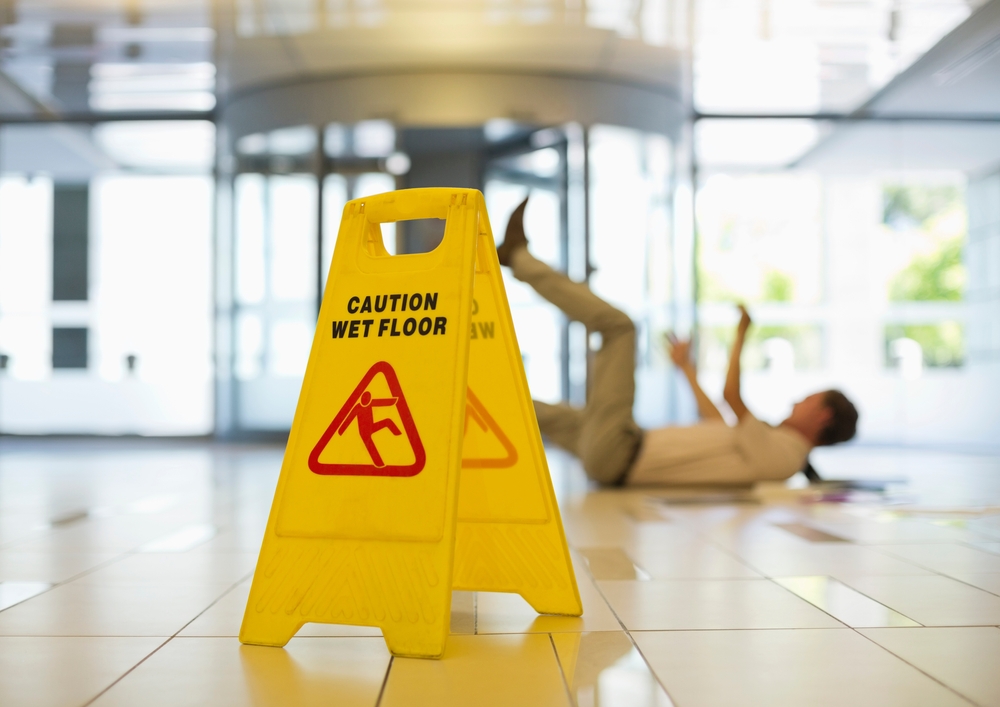
Premises liability refers to the legal responsibility of property owners or occupiers to maintain their property safely. When someone is injured due to dangerous conditions on a property, the property owner may be held liable. Premises liability cases are not limited to slip-and-fall accidents; they include unsafe structures, missing warning signs, and unaddressed weather hazards such as wet floors after rain.
In Florida, property owners must take reasonable steps to prevent foreseeable harm. This may involve conducting routine inspections, promptly repairing damages, and warning guests of potential dangers. A well-maintained property prevents injuries and reduces the risk of costly legal claims.
Falls account for more than 8 million emergency room visits annually, making them one of the leading causes of premises-related injuries. This highlights why property owners must take proactive steps to ensure safety.
Examples Of Premise Hazards
Common hazards leading to injuries include broken steps, loose floor tiles, malfunctioning elevators, and unmarked wet surfaces. Outdoor hazards such as poorly maintained sidewalks, uneven driveways, or inadequate lighting in parking lots can also lead to serious accidents. Business establishments must ensure entryways and aisles remain clear of obstacles and clutter to prevent unnecessary falls.
Who Can Be Responsible For An Injured Person Inside A Property?
Determining who is responsible often depends on who controls the property at the time of the accident. Liability may extend beyond the property owner to include landlords, tenants, or business operators. For example, in Florida, as outlined in Florida Statute 768.0755, when a person slips and falls on a transitory foreign substance in a business establishment, the injured person must prove that the business establishment had actual or constructive knowledge of the dangerous condition and should have taken action to remedy it. Constructive knowledge may be demonstrated by circumstantial evidence showing the condition existed long enough that it should have been discovered through ordinary care.
Business owners must perform regular inspections and address hazards promptly. Failing to act on a dangerous condition, such as a spilled liquid or debris on the floor, can result in significant liability if someone gets hurt.
Responsibilities Of Property Managers
Property managers or tenants who control a location may also share liability. For example, a business tenant is responsible for maintaining the safety of areas under their control, such as the shop floor or entrance. If a landlord fails to repair a structural hazard after being informed, they can also be held accountable. In multi-unit buildings, both the property owner and the manager may have overlapping responsibilities.

You deserve a legal team committed to protecting your interests, pursuing the compensation you deserve, and providing clear, dependable guidance from start to finish.

Founding Attorney
Negligence In Property Explained
Negligence is the foundation of most premises liability claims. Negligence is the failure to behave with the level of care that a reasonable person would have exercised under the same circumstances. Either a person’s actions or omissions of actions can be found negligent. The omission of actions is considered negligent only when the person had a duty to act, such as a property owner’s duty to address hazards they are aware of.
Some primary factors to consider in determining whether someone’s conduct lacks reasonable care include the foreseeable likelihood that the conduct would result in harm, the foreseeable severity of the harm, and the burden of precautions necessary to eliminate or reduce the risk of harm. To prove negligence, a claimant must establish the existence of a legal duty that the defendant owed to the plaintiff, the defendant’s breach of that duty, harm to the plaintiff, the defendant’s actions as the proximate cause of harm to the plaintiff, and the defendant’s actions as the cause-in-fact of harm to the plaintiff.
Proving Negligence In Court
To succeed in a premises liability lawsuit, the injured party must demonstrate clear evidence that the property owner knew or should have known about the dangerous condition. This might include maintenance records, prior complaints, or witness testimony. Photographic evidence of the hazard is often a critical piece of proof.
Can I Be Partially Responsible For My Injuries?
Yes, Florida follows a comparative negligence rule. This means that an injured person’s compensation may be reduced by the percentage of fault attributed to them. For instance, if you were injured on someone else’s property but engaged in reckless behavior, such as ignoring posted warning signs, your compensation could be reduced.
Florida law also evaluates the type of visitor present on the property when the injury occurred. Visitors fall into three categories:
- Invitees: People invited onto the property for business purposes, like customers in a store, and property owners owe them the highest duty of care.
- Licensees: Social guests who enter the property for non-business reasons, and owners must warn them of any known hazards.
- Trespassers: Individuals on the property without permission, and while owners generally owe them a lesser duty, they cannot intentionally harm trespassers.
Types Of Premises Liability Cases
Premises liability claims can arise from a variety of situations, such as:
- Slip and fall accidents
- Swimming pool incidents
- Dog bites or animal attacks
- Inadequate building maintenance
- Negligent security leading to criminal acts
In Florida, claims involving negligent security have become more common, particularly in apartment complexes, hotels, and parking garages, where a lack of proper security measures can increase the risk of harm.
Steps To Take After An Accident
When someone is hurt on your property, immediate actions can make a difference in their recovery and your potential liability. Consider the following steps:
- Document the scene by taking photos of the area and any hazardous conditions.
- Collect witness information and file an incident report if applicable.
- Promptly address the hazard to prevent further injuries.
- Consult a legal professional to understand your obligations.
Preventative Measures For Property Owners
Proactive safety measures are the best way to reduce the likelihood of accidents. Regular maintenance schedules, safety inspections, and clear signage for wet floors or construction zones can help. Installing security cameras, proper lighting, and secure fencing can also prevent injuries and criminal incidents.
Statute Of Limitations For Premises Liability Cases
Florida has a strict time limit for filing a premises liability claim, known as the statute of limitations. As of recent updates, most personal injury claims must be filed within two years from the date of the incident. Missing this deadline means you lose your right to seek compensation, regardless of how strong your case may be. It is essential to act quickly, as evidence such as surveillance footage, witness statements, or maintenance logs can become harder to obtain with time.
The countdown begins the day the accident occurs. Still, certain factors may affect this timeline, such as delayed discovery of injuries, ongoing medical treatment, or disputes about when the injury was caused. In some cases involving minors or government-owned properties, specific rules may shorten or extend the period to file.
Consulting legal counsel early can help identify these exceptions and ensure that every filing is made before the legal window closes. By working with a slip and fall attorney, you can also gather documentation, preserve evidence, and build a stronger case within the required timeframe.
Speak With Catania And Catania Today
Determining who is responsible if someone gets hurt on your property can be complicated, as every situation involves unique circumstances and legal considerations.
At Catania and Catania, our legal team is prepared to evaluate the details of your case, explain your legal options, and guide you through the process from start to finish. Call us today at (813) 222-8545 and learn how we can assist you.
If you’ve been injured anywhere in the Tampa Bay area and need legal help, please contact Catania & Catania Injury Lawyers. We have five convenient locations across Florida, including Tampa, St. Petersburg, Clearwater, Bradenton, and Sarasota, serving clients throughout the greater Tampa Bay region.
We proudly serve Hillsborough County, Pinellas County, Manatee County, Sarasota County, and surrounding areas across Florida:
Catania & Catania Injury Lawyers – Tampa Office
Bank of America Plaza, 101 E Kennedy Blvd Suite 2400, Tampa, FL 33602, United States
Phone: (813) 222-8545
Hours: 24/7

Catania & Catania Injury Lawyers – St. Petersburg Office
146 2nd St N Suite 310-R, St. Petersburg, FL 33701, United States
Phone: (813) 536-3527
Hours: 24/7
Catania & Catania Injury Lawyers – Clearwater Office
600 Cleveland St Ste. 329, Clearwater, FL 33755, United States
Phone: (813) 773-8254
Hours: 24/7
Catania & Catania Injury Lawyers – Bradenton Office
4916 26th St W Ste 100, Bradenton, FL 34207, United States
Phone: (813) 896-4192
Hours: 24/7
Catania & Catania Injury Lawyers – Sarasota Office
2033 Main St Ste. 514, Sarasota, FL 34237, United States
Phone: (941) 401-0141
Hours: 24/7
With more than 30 years of experience, Paul specializes in personal injury cases, auto accidents, wrongful death, and medical malpractice. As a co-founder of Catania & Catania, alongside his brother, he earned his Bachelor of Arts degree from the University of South Florida and his Juris Doctor from Stetson University.
Licensed to practice in all Florida courts, including the Florida Supreme Court and federal courts, this Tampa attorney is committed to advocating for justice in the community. As seen in the AV Preeminent award.